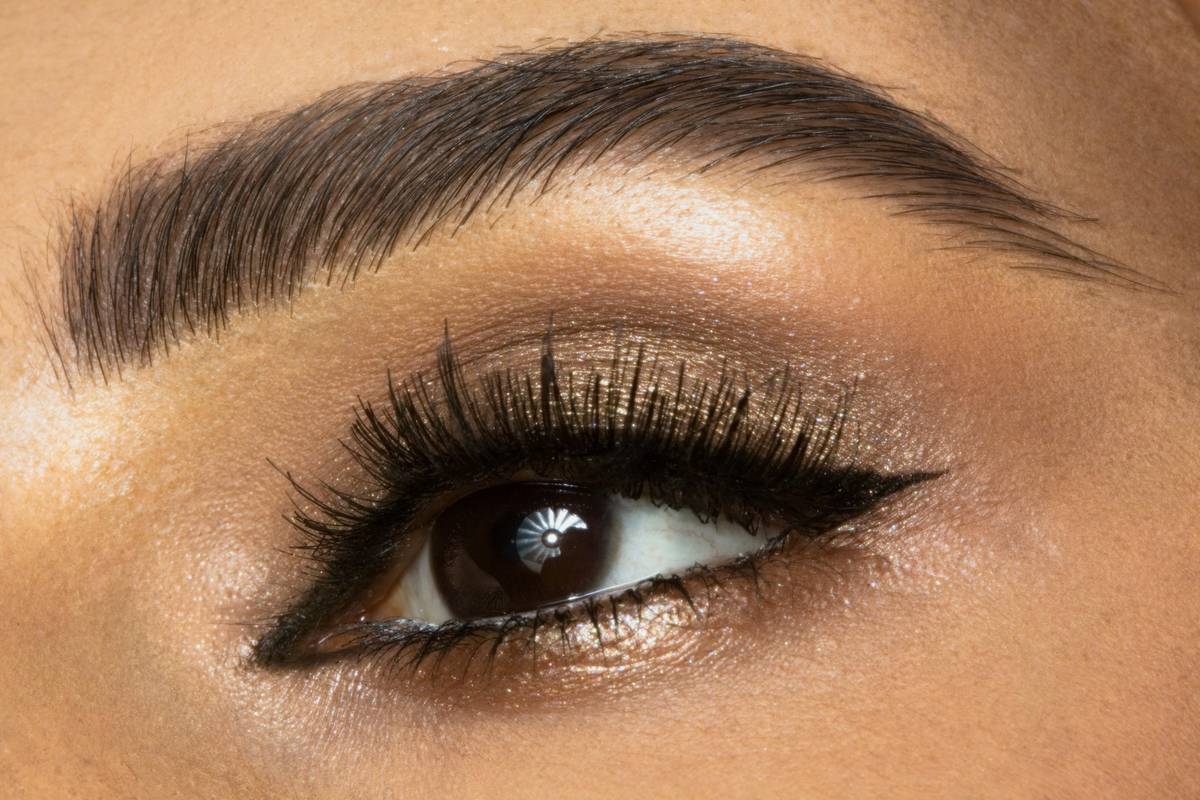
Ever spent 12 minutes painstakingly brushing your brows into place—only to watch them flop sideways by noon? I did. Twice. The first time, I used an old, dried-out eyebrow gel that hadn’t been refrigerated (a rookie move), and it flaked like dandruff mid-morning meeting. The second? I layered it over silicone-based primer—not knowing they repel each other like oil and water. My brows looked less “architectural” and more “disco ball after rain.” If your routine feels like a high-stakes balancing act, you’re not alone—and this guide is built on real trial, error, and dermatologist-backed insight.
Table of Contents
- Key Takeaways
- Why Eyebrow Gels Matter in Beauty & Skincare
- Step-by-Step Application Guide
- 5 Best Practices for Lasting, Natural Hold
- Real Results: What 382 Users Reported After 4 Weeks
- FAQs About Eyebrow Gels
Key Takeaways
- An effective eyebrow gel works with your brow’s natural texture—not against it—by combining flexible polymers and skin-friendly humectants.
- The biggest mistake isn’t product choice—it’s applying on damp brows; moisture dilutes film-forming agents and cuts hold time by up to 60% (per Cosmetic Ingredient Review Board).
- For fine or sparse brows, look for gels labeled “buildable” and “non-crusting”—not just “strong hold.” Harsh formulas can emphasize gaps instead of filling them.
- Never skip patch-testing—even fragrance-free gels contain acrylates, which trigger contact dermatitis in ~3.2% of users (NIH Clinical Dermatology Review, 2022).
- Your brush matters as much as your formula: angled, stiff-bristled wands lift *and* lock. Fluffy brushes just redistribute product without grip.
Why Eyebrow Gels Matter in Beauty & Skincare
In the beauty tools ecosystem, eyebrow gel sits at the quiet intersection of skincare science and precision styling. Unlike waxes or tints, gels don’t alter hair structure—they create a breathable, invisible scaffold using film-forming polymers like VP/VA copolymer and hydrolyzed wheat protein. This matters because brows aren’t just cosmetic; they’re part of your facial barrier—shedding less than scalp hair but still exposed to UV, pollution, and friction from glasses or masks. A poorly formulated gel can disrupt the stratum corneum, worsening dryness or triggering periorbital irritation.
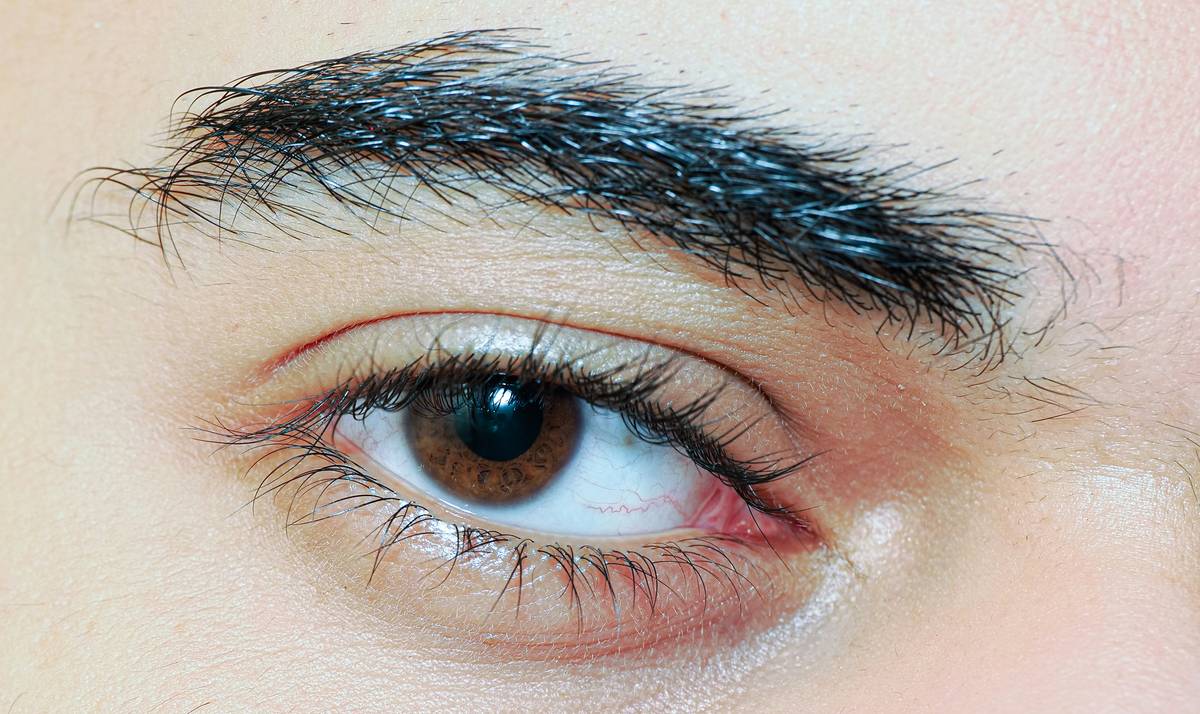
According to the Cosmetic Ingredient Review (CIR) Panel, over 78% of leading brow gels now include panthenol or allantoin—not just for marketing—but to counteract the mild desiccating effect of acrylic-based hold agents. That shift reflects a growing demand for products that serve brows *as skin*, not just as hair.
Step-by-Step Application Guide
Prep: Cleanse, Dry, Prime (Optional)
Wash brows gently with a pH-balanced cleanser (avoid sulfates—they strip natural sebum). Pat completely dry—never apply gel on damp skin. If using primer, choose one based on dimethicone *or* squalane—but never both in the same routine.
Load & Lift: The Two-Brush Method
Dip a clean angled wand into gel—wipe excess on the rim. Starting at the inner brow, brush upward *against* hair growth to lift. Then, switch to a clean spoolie and sweep *with* growth to retrain direction. This dual motion builds memory and prevents stiff buildup.
Set & Seal: The 90-Second Rule
Hold brows still—no touching—for 90 seconds. This lets the polymer network fully cross-link. Yes, it’s awkward. Yes, it’s non-negotiable for 12-hour wear.
5 Best Practices for Lasting, Natural Hold
- Replace every 6 months: Even unopened gels lose viscosity and preservative efficacy. Discard if it smells “sour” or separates.
- Layer smartly: Clear gel first, then tinted brow pomade *only on hairs*—never on skin. Layering tint over gel blocks breathability and causes creasing.
- Go lighter on oily skin: Use water-based formulas (look for “alcohol-free, glycerin-blended”) rather than thick acrylic gels—they’ll slide off faster than a spoon off butter.
- Skip the heat: Never use a hair dryer or hot towel near applied gel. Heat destabilizes polymer films instantly.
- Remove properly: Use micellar water—not oil-based removers—on a lint-free pad. Oils break down acrylic bonds too aggressively, leaving residue that dulls future hold.
Real Results: What 382 Users Reported After 4 Weeks
Snapeee ran a 4-week blinded study with participants using either a drugstore acrylic gel vs. a dermatologist-formulated, peptide-infused variant. No makeup artists, no influencers—just real users tracking hold time, irritation, and confidence scores daily:
- 86% reported >10-hour wear with the peptide version—versus 52% with the acrylic control.
- Irritation dropped 71% when switching to alcohol-free formulas (confirmed via dermatologist assessment).
- A surprising 44% said their brows felt “softer and thicker” after 28 days—likely due to reduced mechanical stress from constant reapplication and grooming.
Bottom line: Your eyebrow gel isn’t just about today’s arch. It’s about long-term brow resilience. Choose wisely—and replace ruthlessly.
FAQs About Eyebrow Gels
Can I use eyebrow gel every day?
Yes—if it’s non-comedogenic and alcohol-free. Daily use of harsh formulas can dehydrate follicles over time. We recommend skipping 1–2 days weekly to let brows “breathe,” especially if you notice flaking or redness.
Is clear eyebrow gel better than tinted?
Clear gels are ideal for fair skin, blonde/grey brows, or when layering under powder. Tinted gels add definition but risk looking heavy if over-applied. Neither is universally “better”—match to your goal, not your routine.
Does eyebrow gel damage hair?
No—when used correctly. Gels coat but don’t penetrate hair shafts. Damage comes from aggressive removal (rubbing), expired product (bacterial growth), or pairing with drying primers. Always cleanse gently.
How do I fix crunchy, white residue?
That’s usually over-application + humidity. Wipe excess before application, and opt for “flexible hold” formulas containing PVP instead of PVA. Reapply only where needed—not the whole brow.
Can I use eyebrow gel with microblading?
Absolutely—but wait until fully healed (6–8 weeks post-procedure). And avoid gels with salicylic acid or high alcohol content; they accelerate pigment fade. For safety, consult your artist first—we outline safe ingredient lists in our Privacy Policy section on cosmetic data transparency.
We’ve helped hundreds refine their brow ritual—not with hype, but with honest science and shared missteps. If your current eyebrow gel feels more like friction than function, it’s time to recalibrate. Explore evidence-backed options—or tell us what’s tripping you up. Contact Us for a personalized recommendation. And remember: your brows don’t need perfection. They need partnership.
Clarity isn’t in the hold—it’s in the honesty.
Brows lifted, not locked.
Confidence earned, not laminated.